2 Week Ketosis Challenge.
Ketosis is the normal metabolic process that provides several health benefits
to us. During nutritional ketosis, your body changes fat into compounds
known as ketones and begins using them as its main source of energy.
1. Minimize your carb consumption
Limiting your carb intake to 20–50 net grams per day lowers your blood sugar and insulin levels, leading to the release of stored fatty acids that your liver converts into ketones.

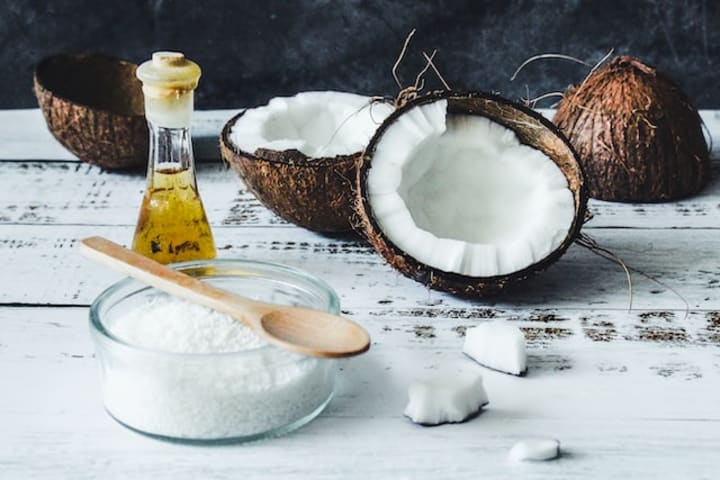
2. Include coconut oil in your diet
Consuming coconut oil provides your body with medium-chain triglycerides (MCTs), which are quickly absorbed and converted into ketones by your liver.
3. Ramp up your physical activity
Engaging in physical activity can increase ketone levels during carb restriction. This effect may be enhanced by working out in a fasted state.
4. Increase your healthy fat intake
Consuming at least 60% of calories from fat will help boost your ketone levels. Choose a variety of healthy fats from both animal and plant sources.
5. Try a short fast or a fat fast
Fasting, intermittent fasting, and a “fat fast” can all help you get into ketosis relatively quickly.
6. Maintain adequate protein intake
Consuming too little protein can lead to muscle mass loss, whereas excessive protein intake may suppress ketone production.
The Two-Week Keto Challenge Is The EASIEST, Most Complete Keto System Ever Developed. Click here to learn more.
7. Test ketone levels and adjust your diet as needed
Using breath, urine, or blood tests to measure your ketone levels can help ensure that you’re achieving and maintaining ketosis.
Click here to learn the secrets of the Ketosis diet and about the 2-week Keto Challenge


10 Signs and Symptoms That You're in Ketosis
- Bad breath
- Weight loss.
- Increased ketones in the blood.
- Increased ketones in the breath or urine.
- Appetite suppression.
- Increased focus and energy.
- Short-term fatigue.
- Short-term decreases in performance.
It normally takes 2–4 days to enter ketosis if you eat fewer than 50 grams of carbs per day. However, some people may take longer depending on factors like physical activity level, metabolism, age and carb, fat, and protein intake.
You can tell whether you’re in ketosis by looking for symptoms or testing your ketone levels with a breath meter, urine sticks, or a blood ketone meter.
It may take you longer to enter ketosis if you consume more carbs than are recommended, don’t eat enough fat, live a more sedentary lifestyle, or have difficulty getting enough sleep.
Despite the growing popularity of the keto diet, it has potential health consequences. Talk with your doctor before trying the keto diet.
Click here to learn more about the 2-week Keto Challenge
The bottom line
When you get into ketosis, your body begins to use ketones for fuel.
For people who’ve adopted a ketogenic diet as a means to lose weight, getting into ketosis is an important step toward that goal. Other benefits of ketosis include seizure reduction in people with epilepsy.
Cutting your carbs is the best way to achieve ketosis. Other actions, such as consuming coconut oil or exercising in a fasted state, may also help.
Quick and easy methods, like using special urine strips, can let you know whether you’re maintaining ketosis or your diet needs some adjustments. A quick at home test on the strip will let you know if you are in Ketosis
Now that you know more about the Keto diet and how to go about implementing it into your daily life, click here to learn more about the 2-week Keto challenge. This could be the life changing thing you have been waiting for.
Comments
Post a Comment